Embrace Local Bliss: Discover the Benefits of Supporting Hobby Farms

Buying food and products from local hobby farms offers more than just fresh goods. It connects communities, supports sustainable practices, and provides unique experiences that large-scale agriculture often cannot match. If you have ever wondered why more people are turning to small-scale farms for their needs, this post will explain the many benefits of choosing local hobby farms.
Freshness and Quality You Can Taste
Local hobby farms often grow, raise and create their products with care and attention that large commercial farms cannot provide. Because these farms operate on a boutique scale, they can focus on quality over quantity. This means fruits, vegetables, and eggs are often fresher and more flavorful and livestock are more adapted to human exposure and more suited to backyard experiences for those wishing start their own journey.
Shorter time from farm to table means produce retains more nutrients and tastes better.
Many hobby farmers use organic or low-chemical methods, resulting in healthier food.
Seasonal products encourage eating with nature’s cycles, which can improve diet variety.
For example, a hobby farm specializing in heirloom tomatoes can offer varieties bursting with flavor that you won’t find in supermarkets. The difference in taste comes from the care in cultivation and the freshness of the harvest.
Supporting Local Economies and Communities
When you buy from hobby farms, your money stays within the local community. This helps small farmers sustain their livelihoods and encourages local economic growth.
Hobby farms often reinvest in the community by hiring local workers or buying supplies nearby.
Supporting these farms helps preserve rural areas and farmland from being sold for development.
Local farms often participate in farmers markets and community events, strengthening neighborhood ties.
By choosing local, you help maintain a diverse and resilient local economy. This creates a positive cycle where small farms thrive, and communities benefit from fresh food and local jobs.
Environmental Benefits of Small-Scale Farming
Hobby farms tend to have a smaller environmental footprint compared to large industrial farms. Their practices often focus on sustainability and conservation.
Smaller farms usually use less heavy machinery, reducing soil compaction and pollution.
Many hobby farmers practice crop rotation, composting, and natural pest control.
Local farms reduce the need for long-distance transportation, cutting down on carbon emissions.
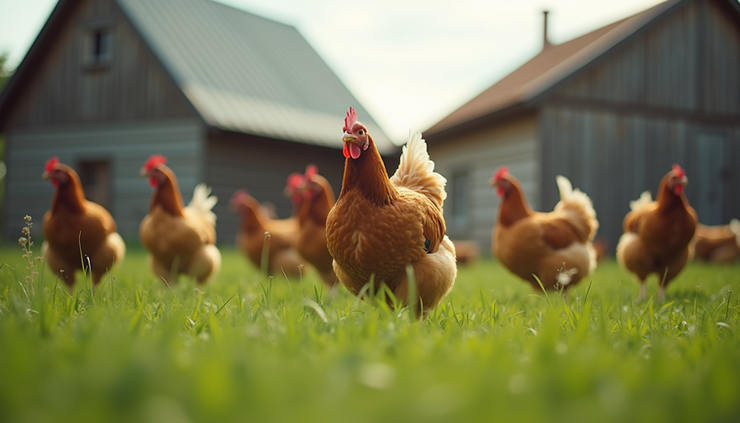
For instance, a hobby farm that raises free-range chickens and grows vegetables in rotation can maintain soil health and biodiversity better than monoculture farms. This approach helps protect the environment while producing healthy food.

Unique Products and Personal Connections
Hobby farms often offer products that are hard to find elsewhere, such as specialty cheeses, homemade jams, or rare breed meats. These unique items add variety and interest to your diet.
Many hobby farmers sell directly to customers, allowing you to ask questions about how products are made.
Building relationships with farmers can increase trust and satisfaction in your food choices.
Some farms offer tours, workshops, or pick-your-own experiences, making shopping more engaging.
Imagine visiting a local farm where you can pick your own strawberries or learn how honey is harvested. These experiences create lasting memories and deepen your appreciation for food sources.
Encouraging Animal Welfare
Small hobby farms often prioritize the well-being of their animals. Unlike large factory farms, these farms usually provide better living conditions.
Animals often have more space to roam and natural diets.
Hobby farmers tend to raise animals with care and respect, focusing on ethical treatment.
This can result in healthier animals and better-quality meat, eggs, or dairy products.
Choosing products from farms that care about animal welfare supports humane farming practices and encourages others to follow suit.

How to Find and Support Hobby Farms
Finding local hobby farms is easier than ever. Here are some tips to connect with them:
Visit farmers markets and ask vendors about their farm practices.
Search online for local farm directories or community-supported agriculture (CSA) programs.
Join local food co-ops or community groups focused on sustainable living.
Attend farm tours or agricultural fairs to meet farmers in person.
Supporting hobby farms means choosing quality, sustainability, and community over generic programmed convenience. It’s a rewarding way to enjoy food and products while making a positive impact.


Comments