Why Orpington Chickens Are the Perfect Easy Care Backyard Flock for Beginners

Some chicken breeds ask for a lot. Orpingtons are not one of them. These big, soft-feathered birds have earned their place in backyard coops because they are calm, sturdy, and easy to live with.
For new chicken keepers, that matters. A beginner-friendly breed should handle everyday mistakes, settle into a routine, and be pleasant to manage. Orpington chickens do all three. They are friendly enough for family yards, hardy enough for changing weather, and adaptable enough for small backyard flocks across Australia.
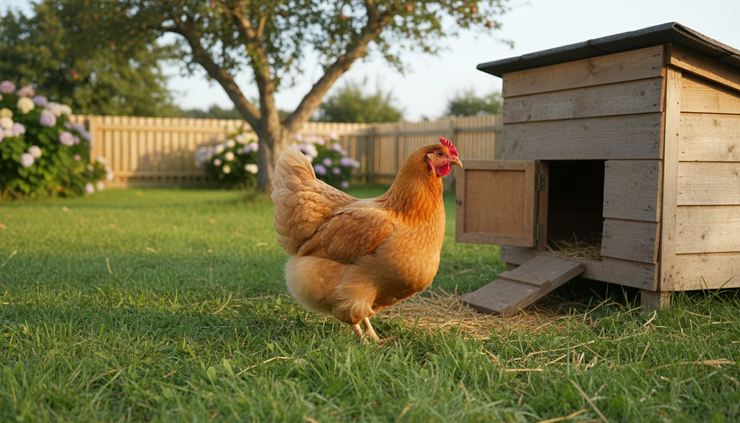
Orpingtons have a friendly temperament that makes daily care easier
Orpingtons are best known for their gentle nature. They tend to be calm, curious birds rather than flighty or nervous ones. That makes simple jobs, such as topping up feeders, cleaning the coop, or checking for mites, much less stressful.
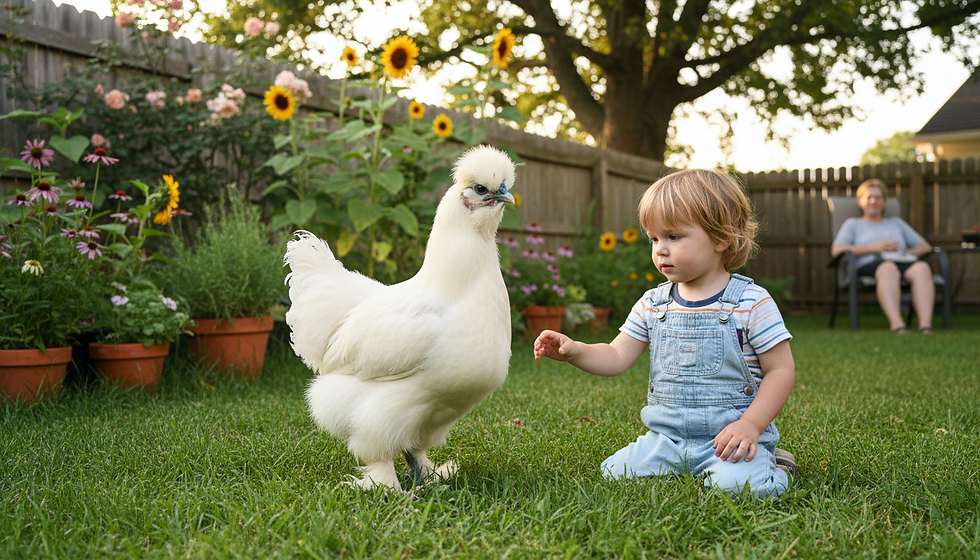
Their friendly temperament also suits homes where chickens are part of the backyard, not just tucked away in a pen. Many Orpingtons become comfortable around people when handled kindly and regularly. They often tolerate children well, provided children are taught to move slowly, use quiet voices, and avoid chasing them.
This calm nature has practical benefits:
They are easier to catch for health checks.
They are less likely to panic in a secure run.
They usually mix well with other gentle breeds.
They are a good choice for keepers who want pets as well as eggs.
Orpingtons are large birds, so they can look imposing, but their size usually works in their favour. They are steady, grounded, and less likely to launch themselves over fences than lighter, more athletic breeds.
Their temperament is one of the main reasons many people consider them the perfect easy care backyard flock for beginners.
They are hardy birds that cope well with changing conditions
Orpingtons were bred to be useful, practical chickens. Their dense feathering and solid body shape help them handle cool weather well, which is useful in frosty inland areas and cooler southern regions.
They can also adapt to warmer climates, but they need sensible summer care. Their fluffy feathers, while beautiful, can make hot days harder. In much of Australia, heat management matters more than cold protection.
During hot weather, give Orpingtons:
Deep shade through the hottest part of the day
Fresh, cool water in more than one spot
Good airflow through the coop
Dust bathing areas that stay dry
Cool treats such as leafy greens in moderation
A hardy chicken is not one that can be ignored. It is one that stays healthy with basic, consistent care. Orpingtons fit that description well.

Feeding Orpingtons is simple when the basics are right
Orpingtons do not need a complicated diet. A quality complete layer feed should make up most of their food once they are laying age. This gives them the protein, calcium, vitamins, and minerals they need for steady health and egg production.
A simple feeding routine works well:
Keep layer pellets or crumble available each day.
Offer shell grit separately so hens can take what they need.
Provide clean water at all times.
Use kitchen scraps as treats, not the main meal.
Avoid salty, mouldy, greasy, or heavily processed foods.
Because Orpingtons are calm and not as active as some lighter breeds, they can gain weight if they get too many treats. This is especially true if they live in a smaller run. A handful of greens, weeds from a chemical-free garden, or a small amount of vegetable scraps is plenty.
Free-ranging, even for part of the day, can help them stay active. They enjoy scratching, foraging, and dust bathing, but they still need a proper feed base. Foraging adds interest and variety, not a complete diet.
Good housing keeps their care low maintenance
A well-designed coop makes Orpington care much easier. These birds are large, so cramped housing can quickly lead to mess, stress, and feather damage. Give them room to move, perch, and nest without squeezing past each other.
A practical Orpington coop should include:
Dry flooring with absorbent bedding
Roosts that are wide enough for large feet
Nesting boxes that fit bigger hens
Strong predator-proof mesh
A roofed section of run for wet weather
Ventilation above bird height to reduce damp air
Good ventilation is especially important. It helps prevent moisture build-up and keeps the coop fresher. Avoid sealing the coop so tightly that air cannot move. Chickens cope better with cool, fresh air than with damp, stale air.
Keep bedding dry and replace it before it becomes smelly or matted. A simple weekly tidy, plus a deeper clean when needed, is usually enough for a small backyard flock.

Their health care needs are straightforward
Orpingtons are generally sturdy birds, but regular observation is still the best health tool. A quick daily look can tell you a lot. Healthy chickens are alert, moving well, eating, drinking, and interacting with the flock.
Watch for changes such as:
Fluffed-up posture for long periods
Loss of appetite
Dirty feathers around the vent
Limping or reluctance to move
Pale comb or unusual droppings
Coughing, sneezing, or noisy breathing
Their thick feathers mean mites and lice can hide close to the skin, especially around the vent and under the wings. Check them regularly, keep dust bathing areas available, and clean the coop if parasites appear. If illness looks serious or does not improve quickly, contact a poultry-aware vet.
Orpingtons can also go broody. A broody hen wants to sit on eggs and may stop laying for a while. This is natural behaviour, but it can surprise beginners. If chicks are not wanted, collect eggs daily and move a broody hen gently off the nest so she eats, drinks, and stretches.
Why beginners often do well with Orpingtons
The best beginner chicken is not always the highest layer or the rarest breed. It is the bird that fits real backyard life. Orpingtons are forgiving, pleasant, and steady. They do well with simple routines and reward good care with companionship, garden character, and useful egg production.
They are a strong match for beginners because they offer:
Calm handling
Daily care feels manageable, even for nervous new keepers.
Good adaptability
They can suit different backyard setups when shelter, shade, and space are provided.
Reliable hardiness
They cope well with normal seasonal changes when their basic needs are met.
Low drama flock behaviour
Their gentle personality often makes flock management easier.
No breed is completely maintenance free, but Orpingtons come close to the ideal backyard balance. Give them secure housing, clean water, proper feed, shade in summer, and regular health checks, and they usually settle into an easy rhythm.

Orpingtons suit people who want chickens that feel approachable rather than demanding. They are friendly without being fragile, hardy without being difficult, and adaptable without needing special treatment. For a first backyard flock, that combination is hard to beat.


Comments